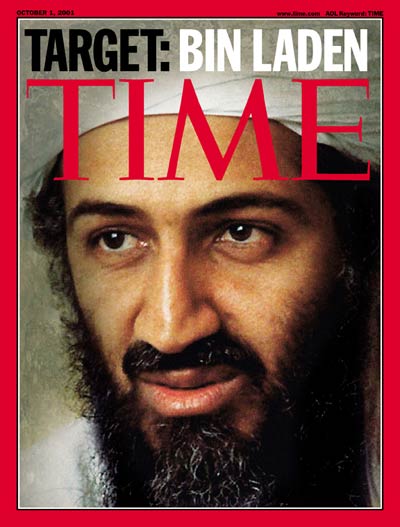
We Will Not Fail

7 October 2001, Afghanistan: For a new kind of war, it had an old sort of start. In the places where soldiers and sailors live–in Norfolk, Va.; Fort Bragg, N.C.; in a hundred other towns of the Republic and far beyond its shores–the rhetoric of impending battle was rendered into the humdrum details of military life. Bills were paid; kit bags packed; wives, husbands and children hugged. Patriotism hung in the air, as palpable as the first chills of fall; flags sprouted on a million lapels and fluttered from a thousand taxicabs in a wounded but defiant New York. On television, the reports came from Islamabad, not as they had a decade ago from Riyadh or Baghdad or Amman. And as predecessors in his high office–including his father–had done before, George W. Bush drove from the White House to the Capitol, and in an address to Congress and the watching world, discharged the weightiest responsibility that any President can ever be asked to shoulder. Americans, Bush said, had to prepare for a “lengthy campaign unlike any other we have ever seen.” That this will be a real war was made explicit. “I’ve called the armed forces to alert,” said Bush, “and there is a reason. The hour is coming when America will act, and you will make us proud.”
 

About i-i